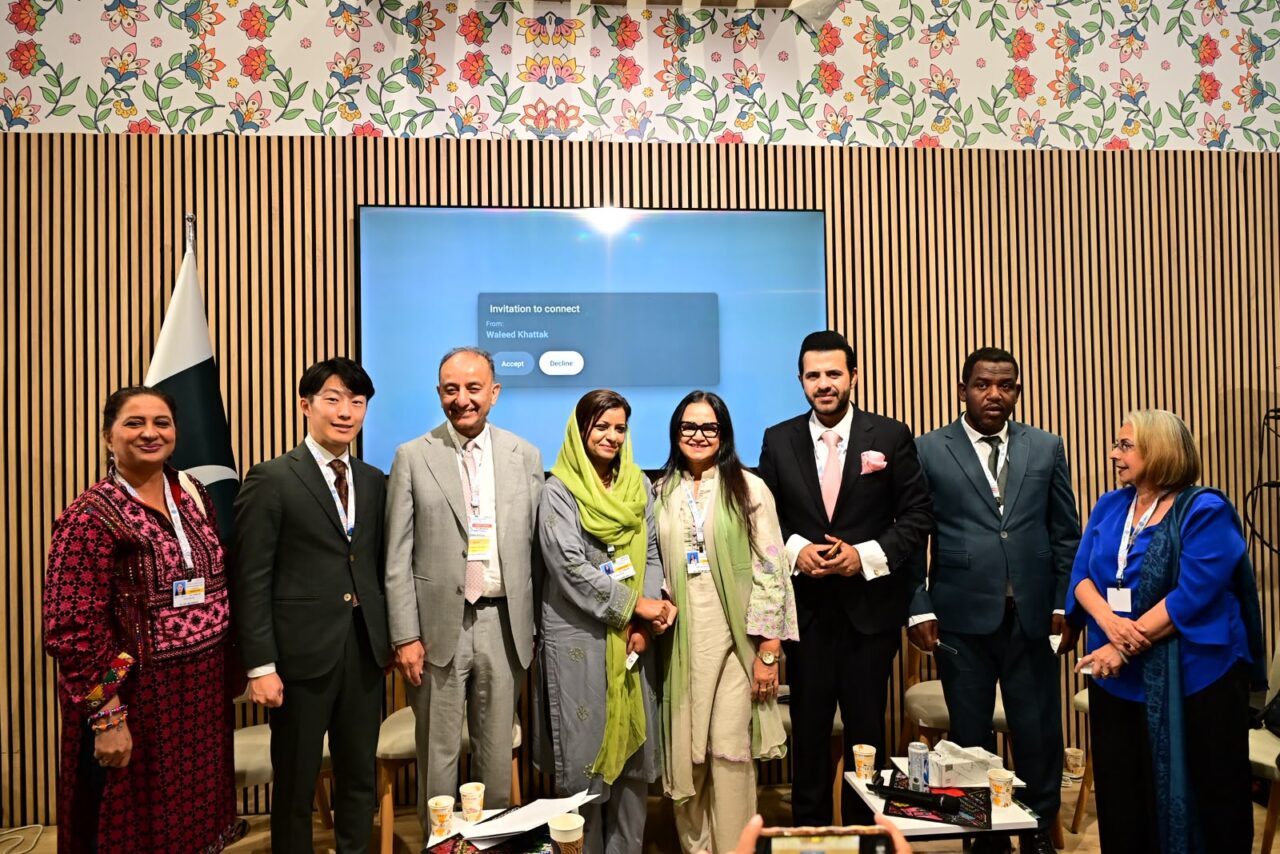
Date: 14 November 2026
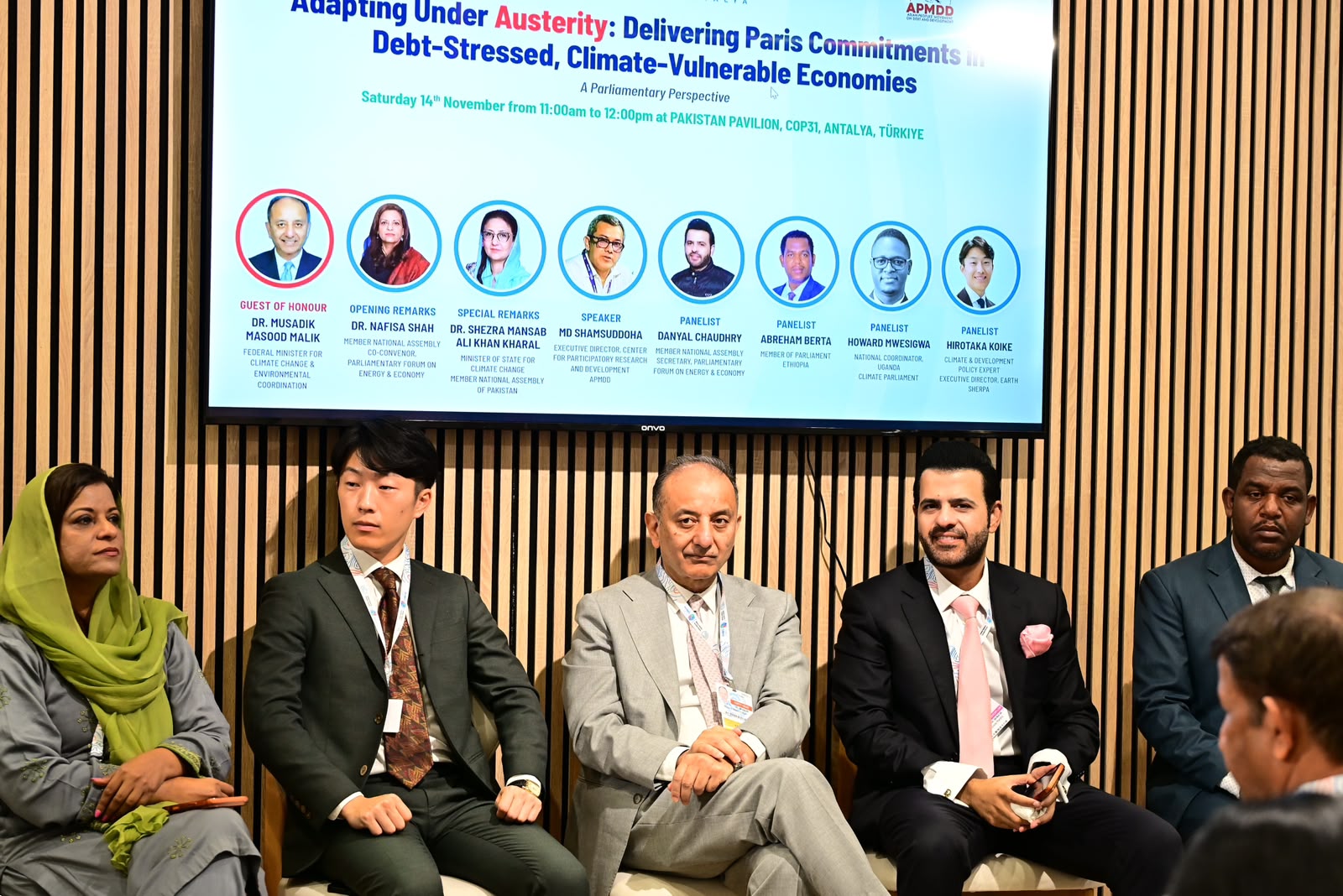
ADAPTING UNDER AUSTERITY: DELIVERING PARIS COMMITMENTS IN DEBT-STRESSED CLIMATE-VULNERABLE ECONOMIES: A PARLIAMENTARY PERSPECTIVE
Location: Pakistan Pavilion, COP31, Antalya, Türkiye
ADAPTING UNDER AUSTERITY: DELIVERING PARIS COMMITMENTS IN DEBT-STRESSED CLIMATE-VULNERABLE ECONOMIES: A PARLIAMENTARY PERSPECTIVE
Date: 14th November 2026| Time: 11 – 12 pm |Venue: Pakistan Pavilion, COP31, Antalya, Türkiye
Pakistan contributes less than 1 percent of global greenhouse gas emissions but remains among the world’s most climate-vulnerable countries. The 2022 floods affected approximately 33 million people and caused damages and economic losses estimated at over 30 billion US dollars, according to the Post-Disaster Needs Assessment. Heatwaves, glacial melt, erratic monsoons and water stress continue to threaten food security, livelihoods and macroeconomic stability.
At the same time, Pakistan faces significant fiscal constraints that limit its capacity to invest in climate resilience and meet its international commitments.
- Pakistan is currently under an IMF Extended Fund Facility (approved in 2024) and has access to the Resilience and Sustainability Facility (RSF).
- Debt servicing absorbs a substantial share of federal revenue, leaving limited fiscal space for public investment.
- IMF programme conditions, including tax measures, energy tariff adjustments, subsidy rationalisation and primary surplus targets, are intended to support macroeconomic stabilisation. However, these measures can create social pressures and constrain long-term investment in adaptation, resilient infrastructure and clean energy.
- Energy-sector challenges, including capacity payments, circular debt and changes to solar net-metering regulations and taxation, highlight the tensions between fiscal stabilisation, energy affordability and climate objectives.
- Pakistan’s updated Nationally Determined Contribution (NDC 3.0) and National Adaptation Plan set out its climate priorities, with emissions-reduction targets partly conditional on international support. Their implementation requires predictable, accessible and affordable climate finance, particularly grants and concessional funding. However, the scale and terms of available international finance remain inadequate, while reliance on loans risks deepening existing debt burdens.
This raises a fundamental question: how can climate-vulnerable, debt-distressed countries deliver on their Paris Agreement commitments when debt-servicing obligations and fiscal consolidation restrict their capacity to invest in climate action? Addressing this challenge requires reforms in international financial institutions, macroeconomic programme design and the broader global financial architecture.
Parliaments are central to this process. Through legislative action, budgetary scrutiny and oversight of public expenditure, parliamentarians can ensure that climate commitments remain a priority within national economic and development policies.
Objectives
- Examine Pakistan’s climate and fiscal challenges in the context of other debt-distressed, climate-vulnerable economies.
- Explore how IMF programme design, including the Resilience and Sustainability Facility, can better accommodate climate-critical spending.
- Assess alternative financing mechanisms, including climate-resilient debt clauses, debt-for-climate and debt-for-nature swaps, SDR rechanneling, guarantees, concessional financing and access to the Loss and Damage Fund.
- Strengthen parliamentary oversight of climate finance, public expenditure and the implementation of national climate commitments.
- Develop actionable recommendations through a Parliamentary Call to Action.
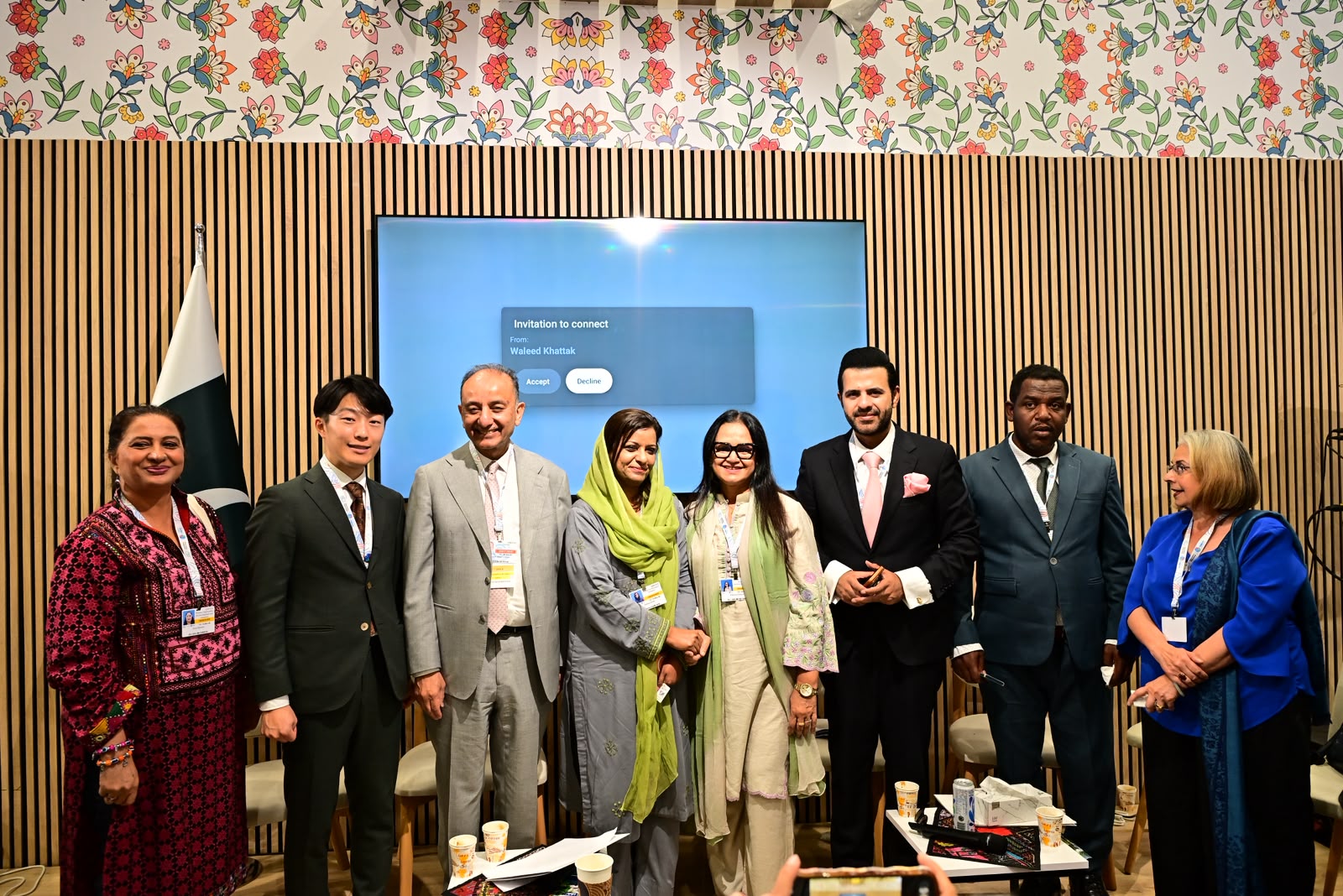
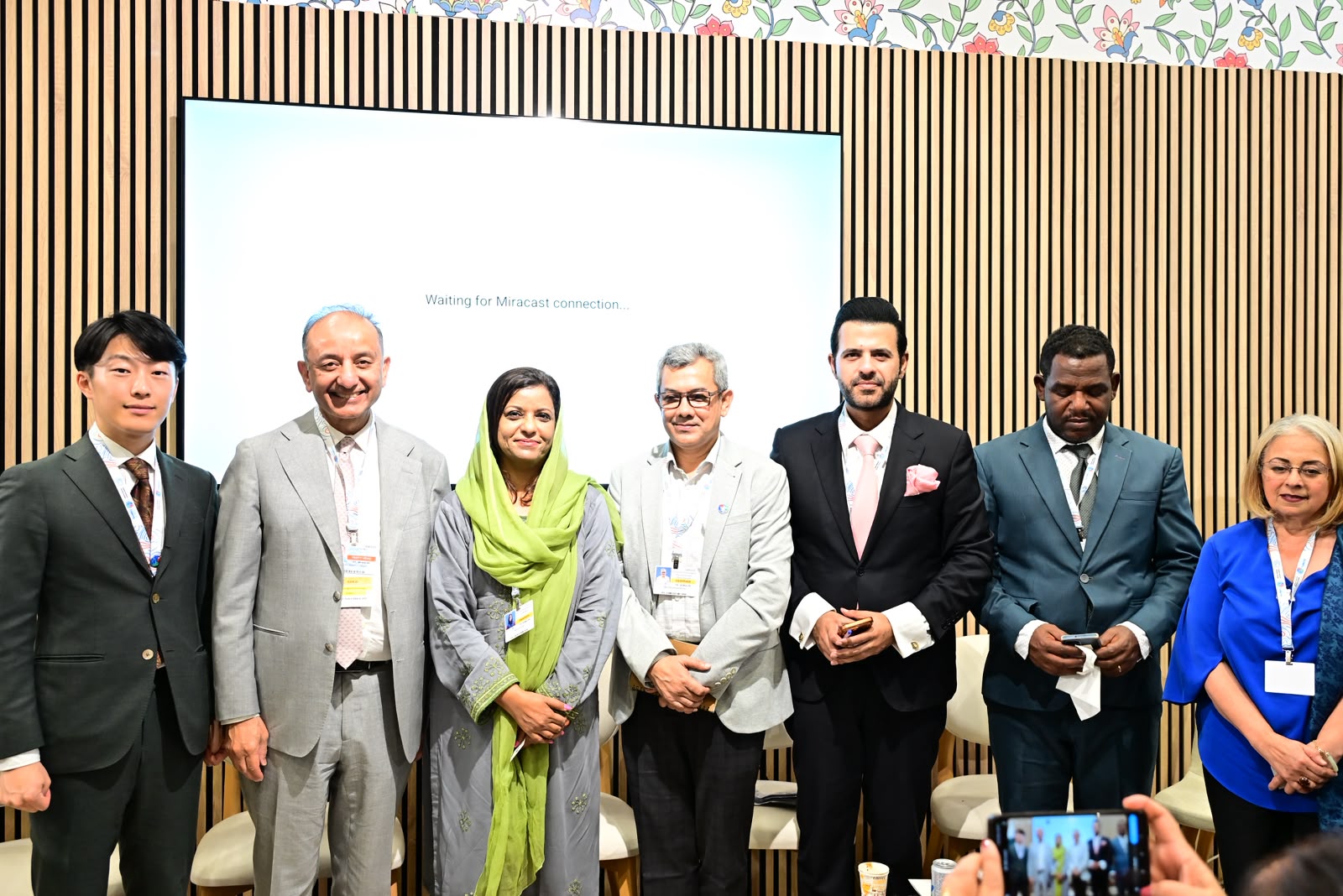
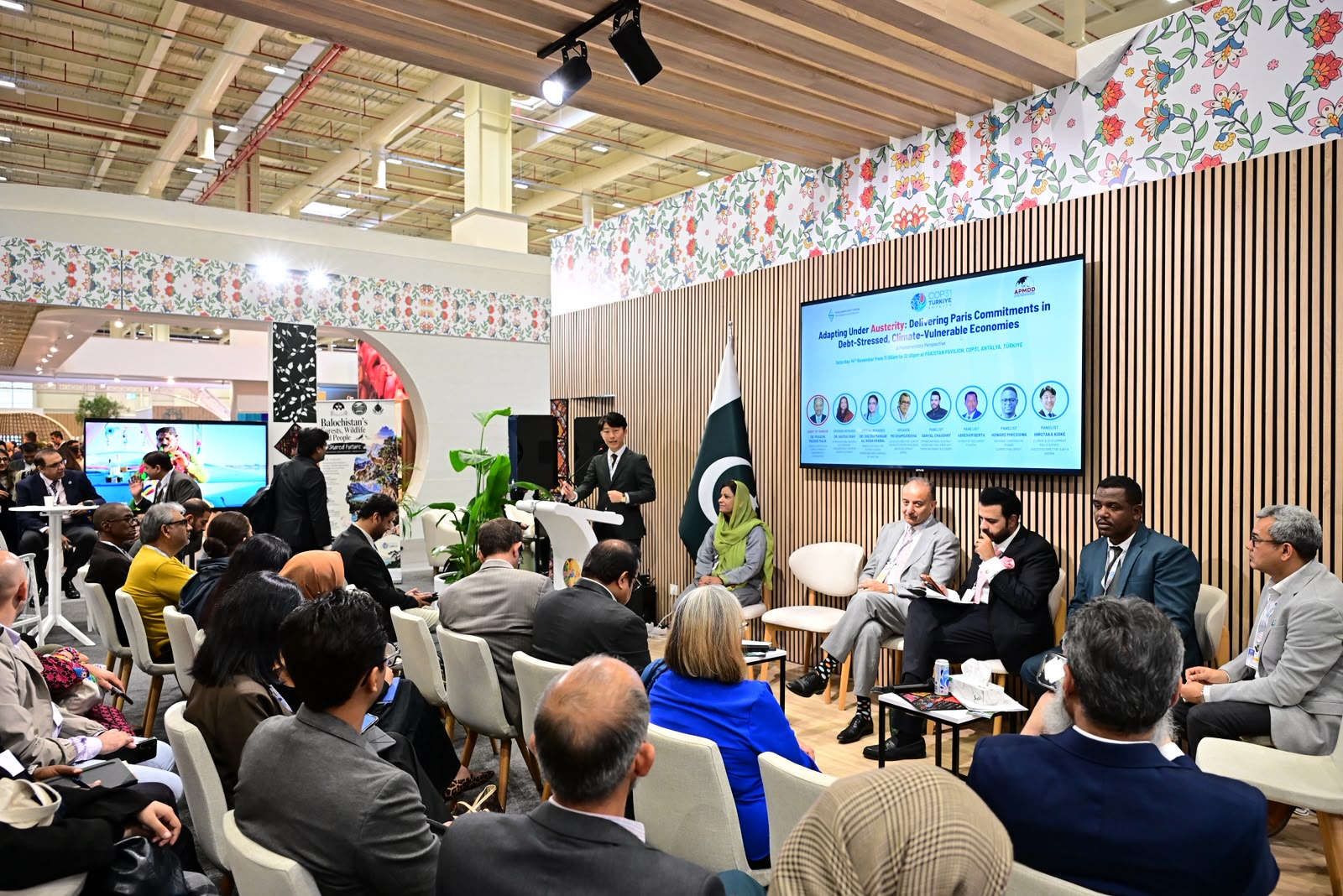
The Parliamentary Forum on Energy and Economy in collaboration with the Asian Peoples Movement on Debt and Development (APMDD), convened this session and brought together policymakers and parliamentarians to examine the relationship between climate commitments, fiscal constraints and international financial reform. The discussion focused on practical policy responses and the role of parliamentary institutions in advancing climate-resilient and equitable economic policies.