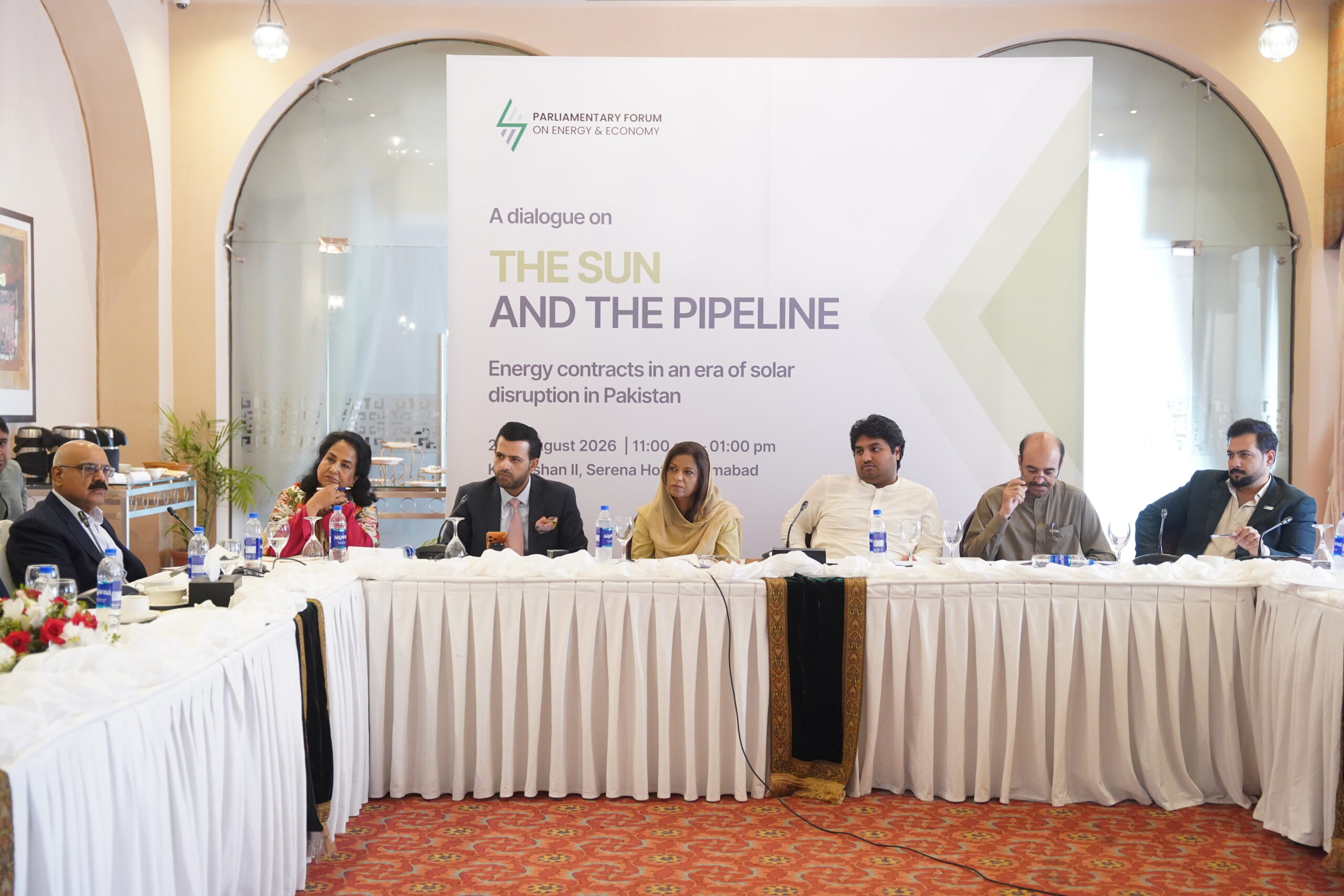
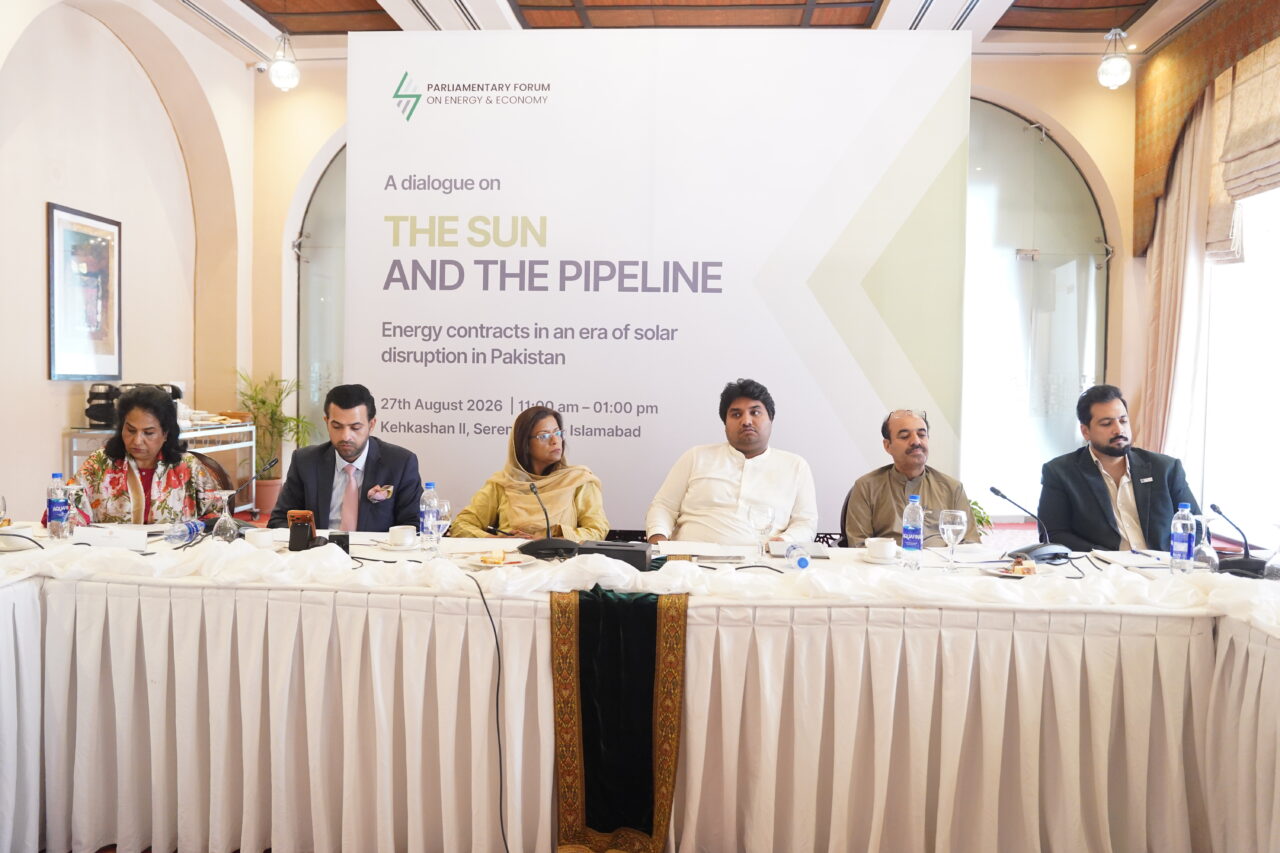
Date: 27th August 2026
THE SUN AND THE PIPELINE Energy contracts in an era of solar disruption in Pakistan
Location: Kehkashan II, Serena Hotel, Islamabad
In just a few years, and largely without public subsidy, Pakistan has deployed an estimated 50 GW of solar capacity across utility-scale, net-metered, agricultural, off grid and behind-the-meter systems — generating roughly 54.75 TWh annually, equivalent on a gross energy basis to nearly 1,279 MMCFD of gas-fired generation. This is not a marginal shift; it is a structural transformation of Pakistan’s energy landscape, one that has quietly outpaced the assumptions underlying the country’s long-term gas and LNG commitments. Pakistan’s LNG contracts and pipeline ambitions — from TAPI to the Iran-Pakistan pipeline — were conceived in an era of persistent domestic gas shortages and rising power-sector demand. That era is ending. Solar has reshaped daytime electricity demand, while hydropower, domestic coal and nuclear have expanded their share of the mix. Meanwhile, weaker industrial gas offtake and declining utilization of RLNG fired plants have opened a growing gap between contracted supply and actual need. This raises the central question of the session: not whether Pakistan should choose solar over LNG, but how its energy mix, contractual commitments and regulatory framework should evolve as demand patterns shift beneath them. If base-supply pipeline projects are no longer necessary, what should replace them — a limited, flexible, competitively priced LNG layer? How should policy treat distributed generation, third-party gas access and instruments like the Captive Power Levy, which risk penalizing the very flexibility solar and battery energy storage system (BESS) integration now require? And critically, does shedding contracted volume strengthen energy security, or does it erode the country’s ability to respond to evening peaks, low hydropower periods, and external supply shocks? This dialogue brings together solar’s rapid rise, LNG’s changing role, and the fiscal and contractual commitments shaped by an earlier demand outlook, asking how Pakistan can align its long-term energy strategy with the energy system it has already built.
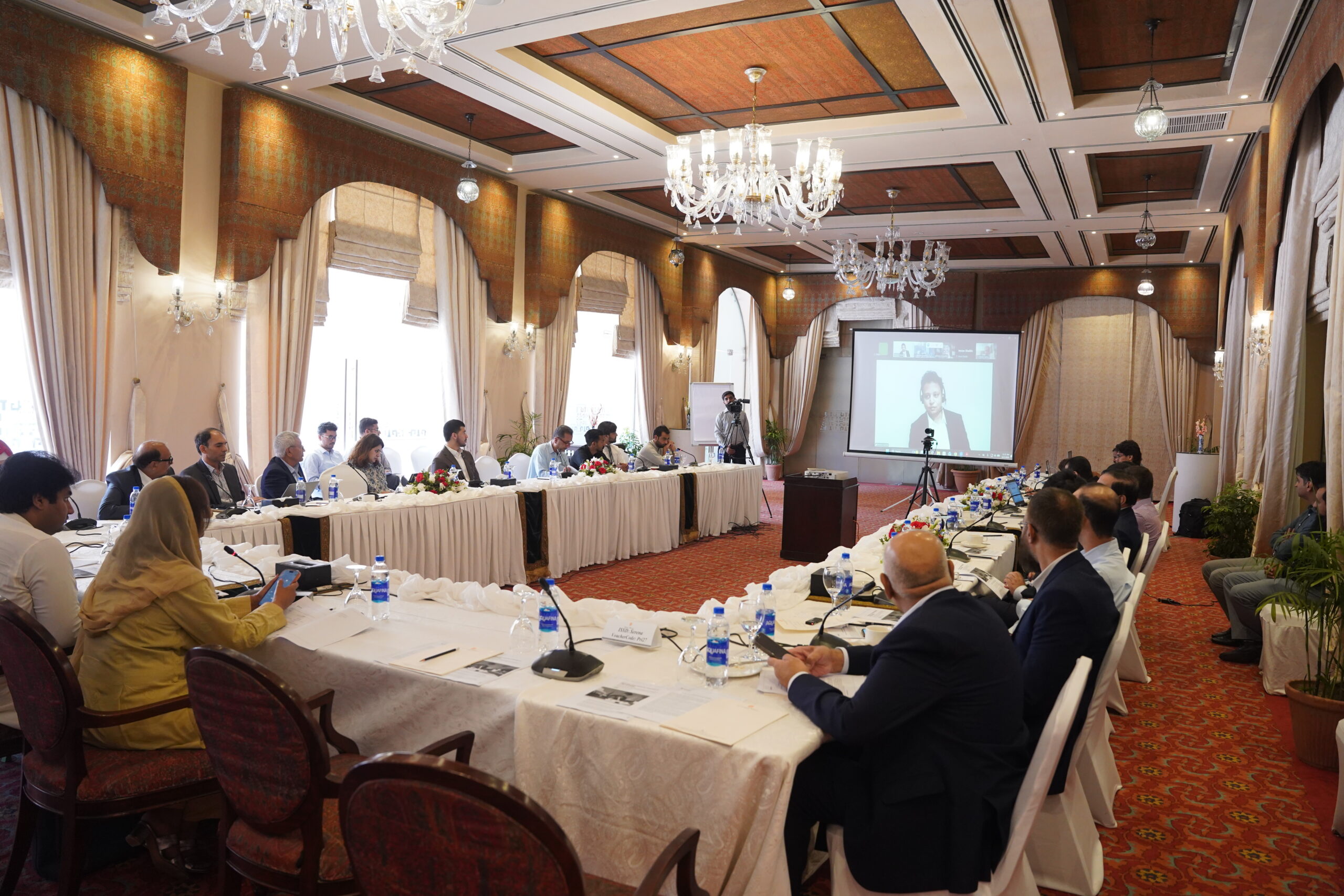
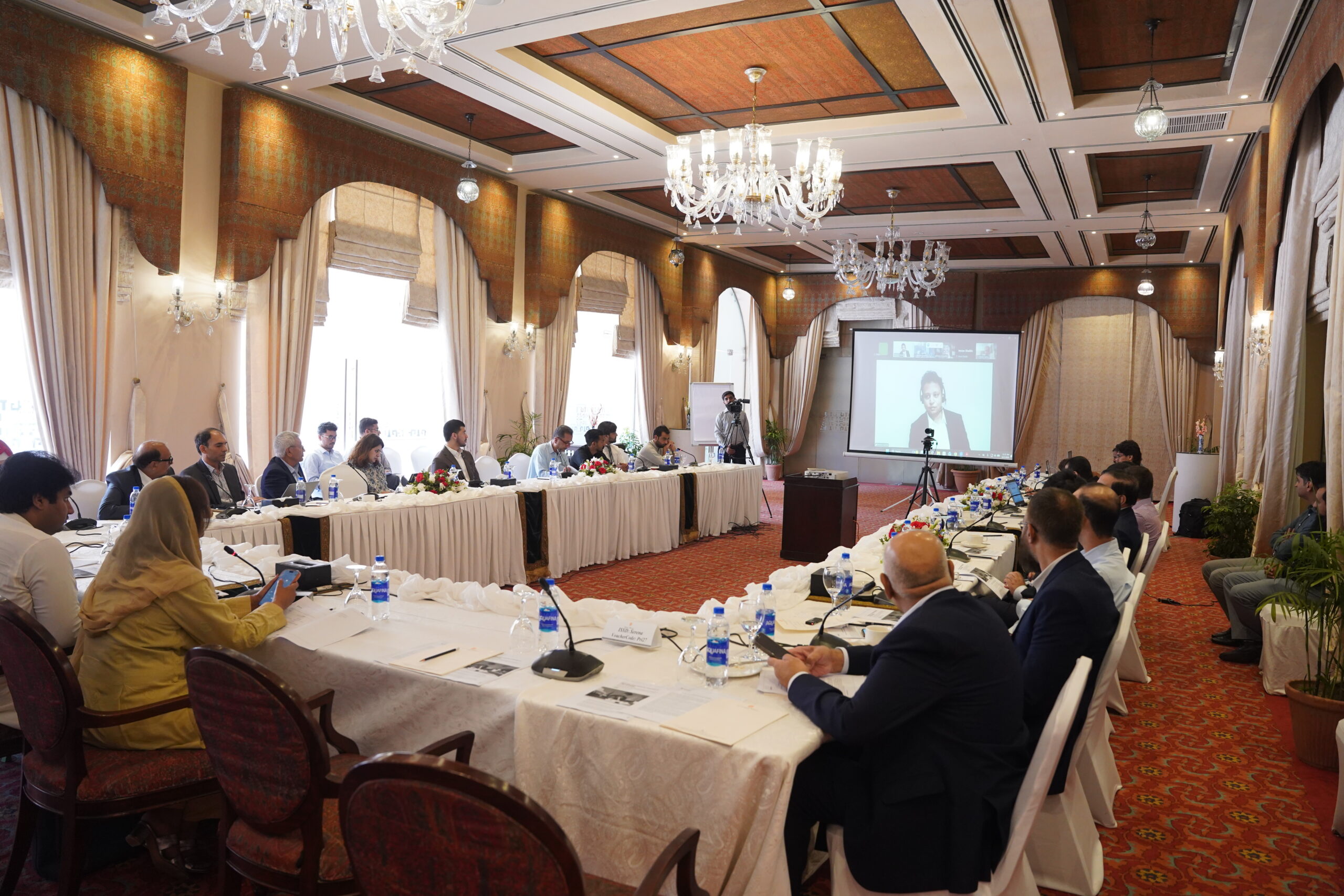
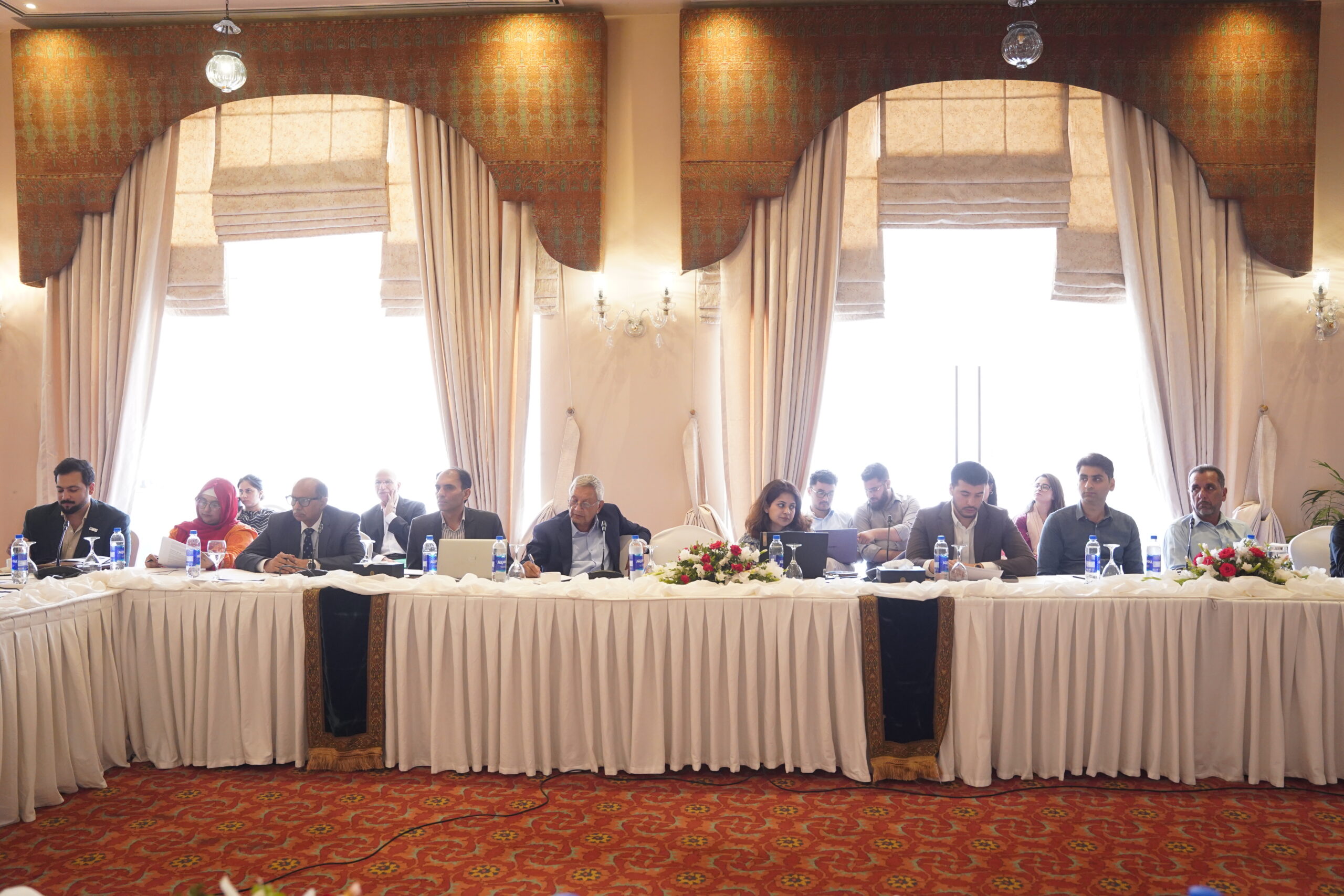
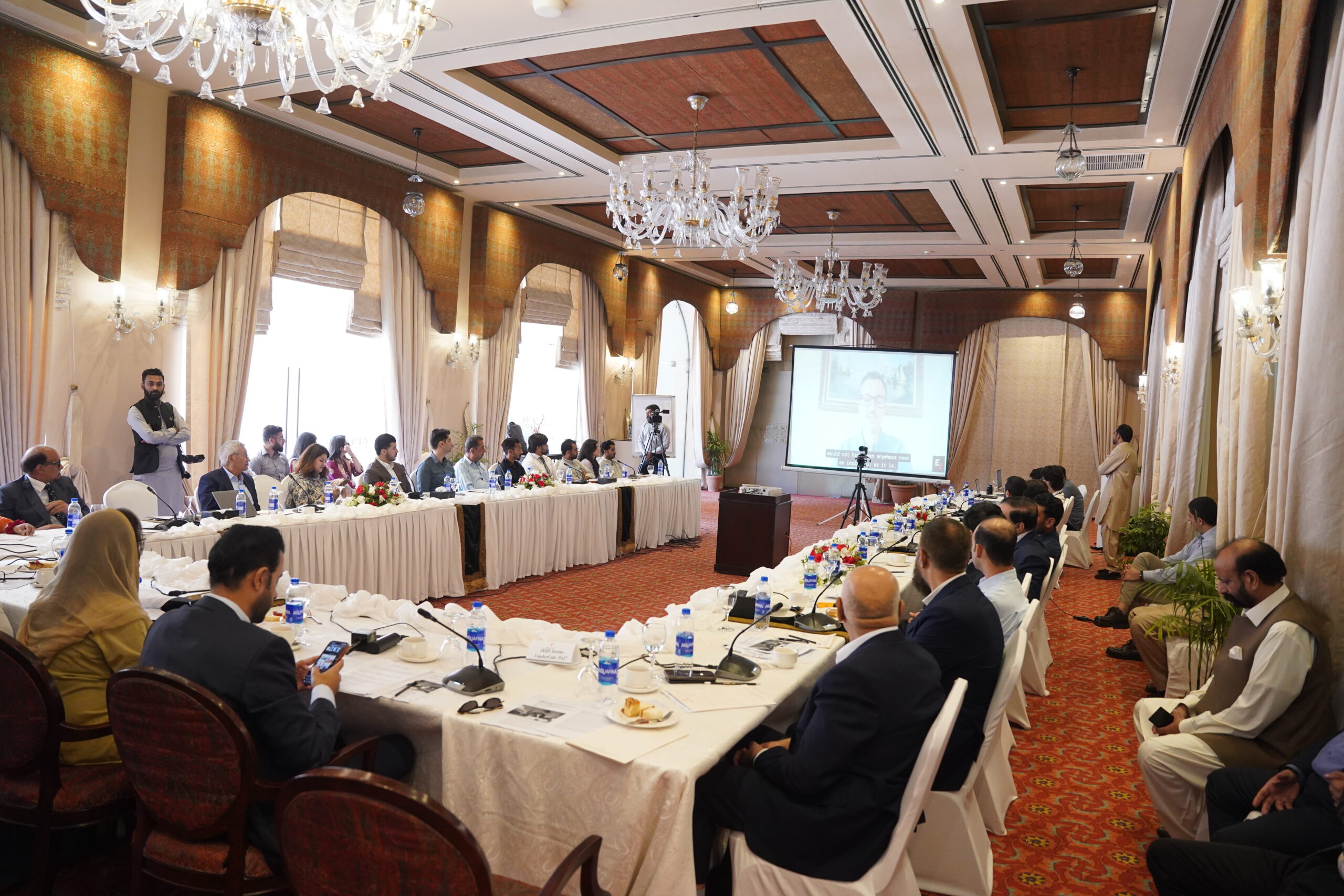
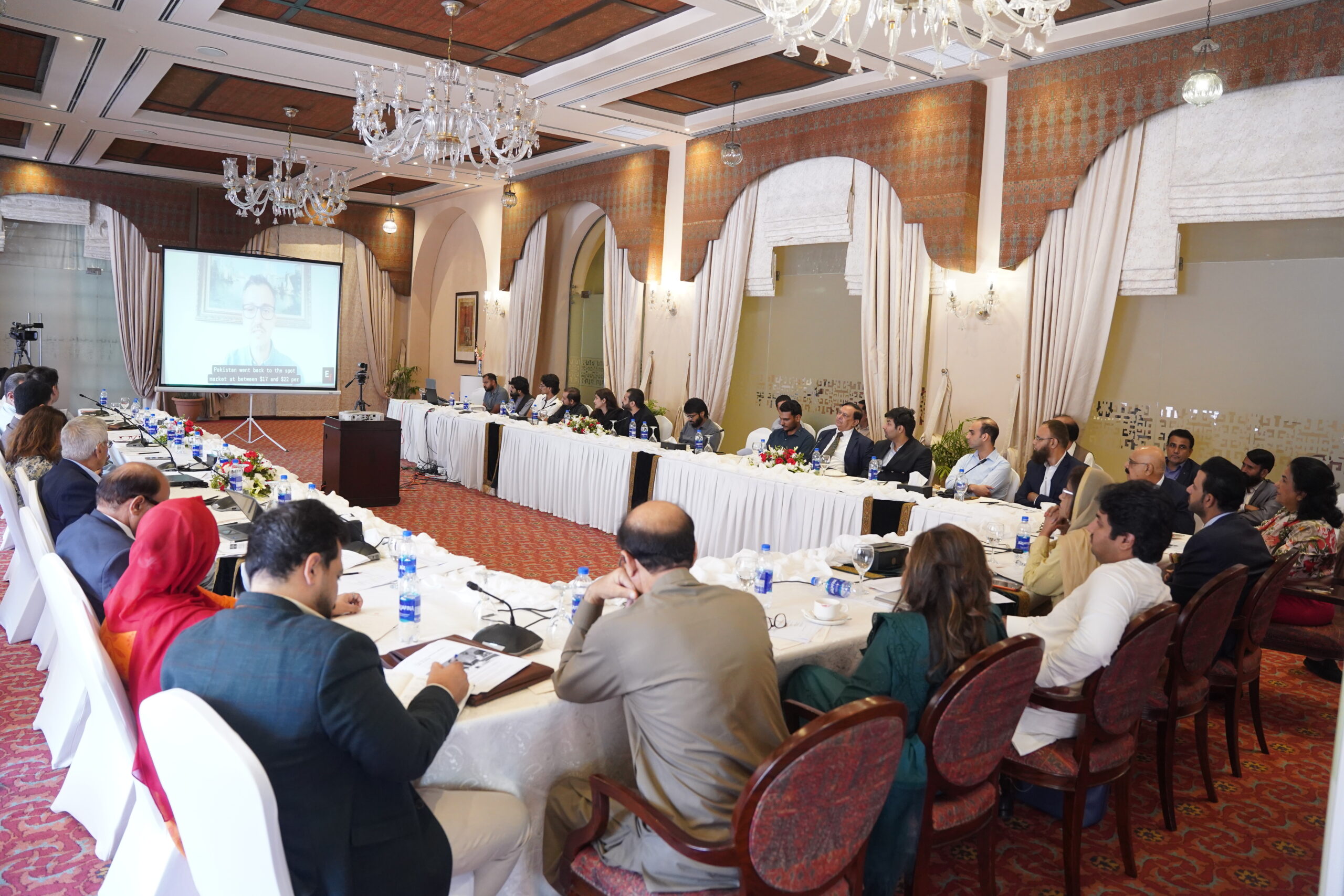
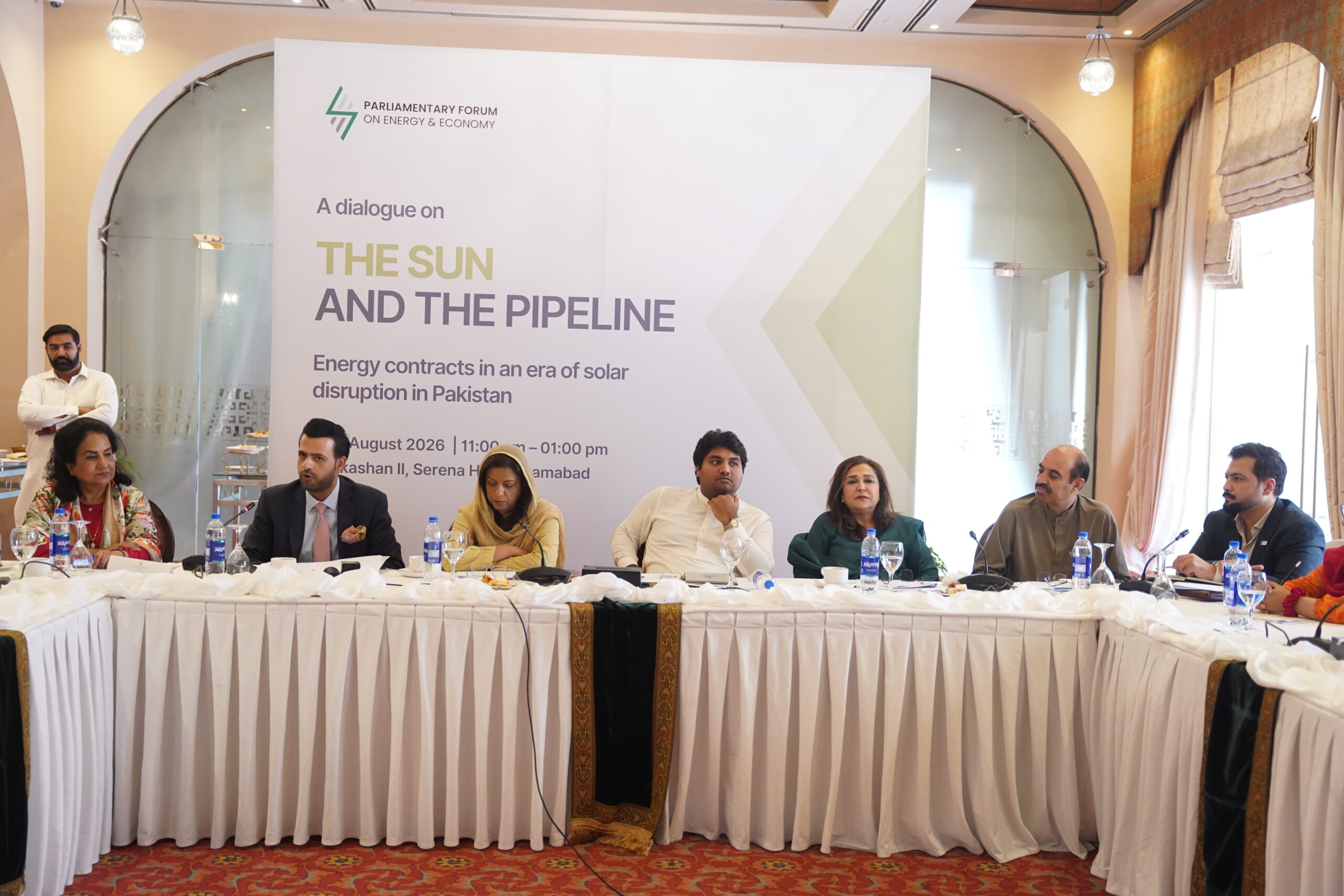
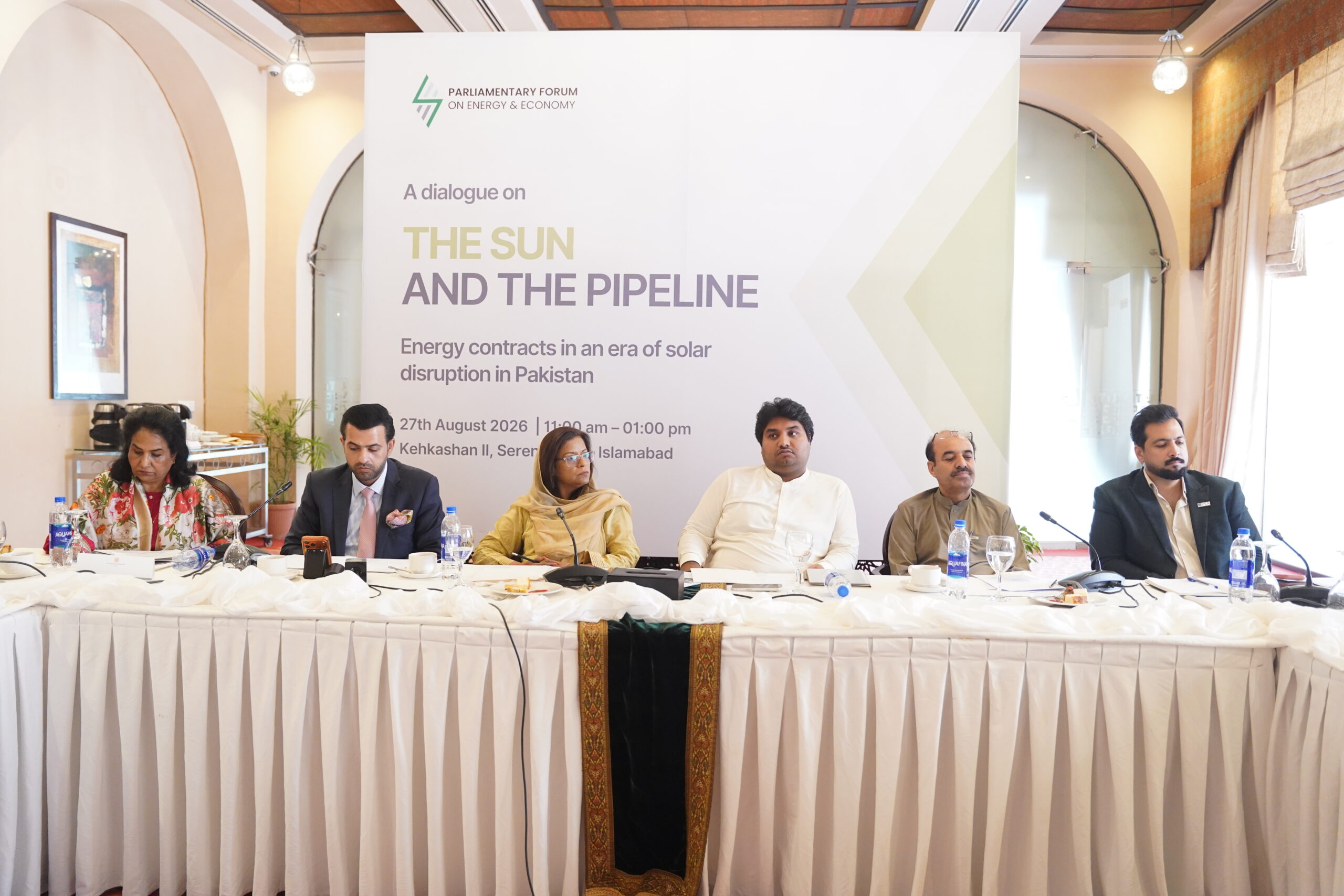
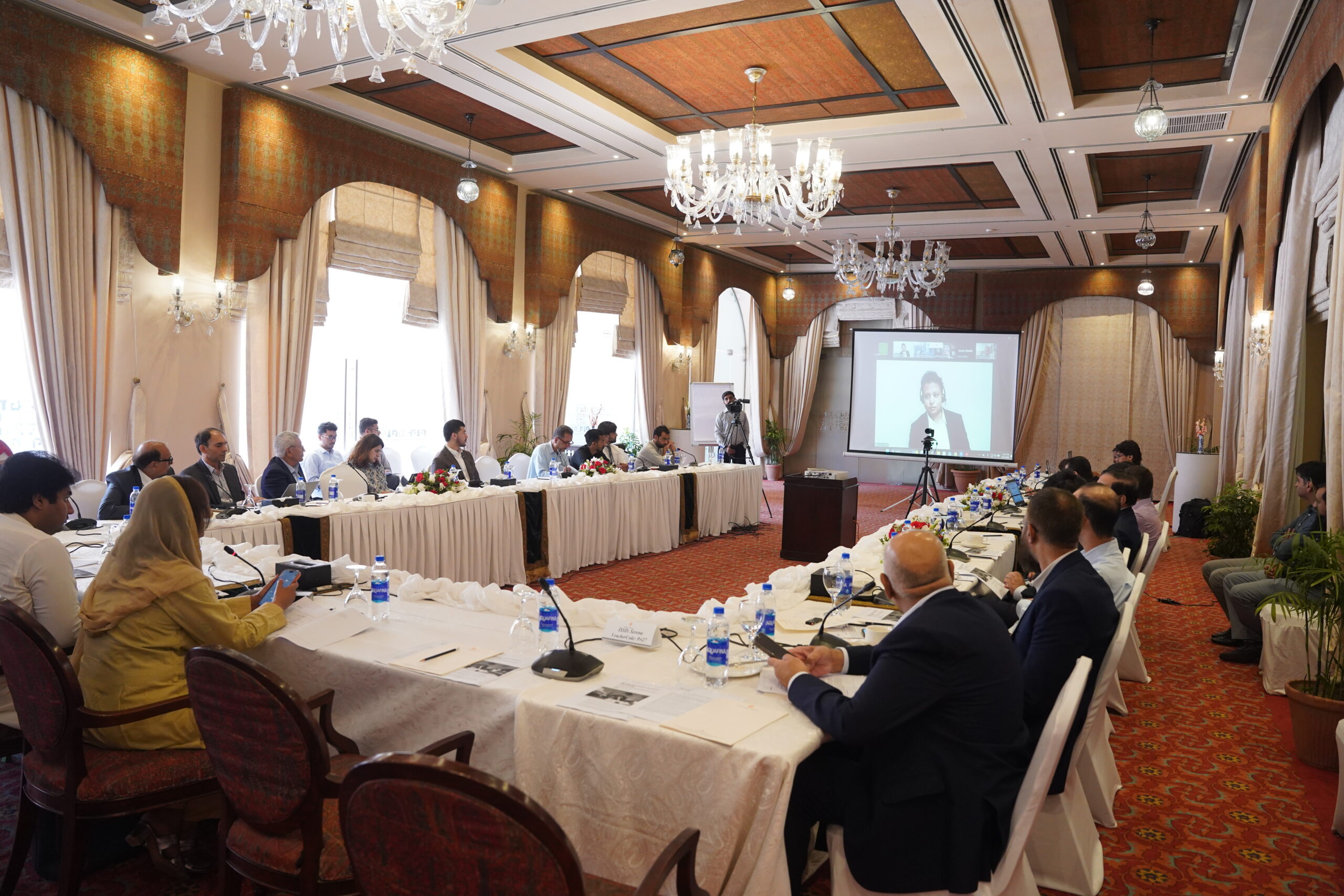
The Parliamentary Forum on Energy and Economy organised a dialogue on 27 August, from 11:00 am – 1:00 pm at Kehkashan II, Serena Hotel, Islamabad, to examine Pakistan’s RLNG strategy amid a shifting energy landscape and emerging geopolitical risks. The discussion explored current RLNG commitments, the implications of war and global market volatility, solar’s growing role in reducing gas demand, and policy options to protect consumers and energy security.