Events
Date: 21st May 2026Pakistan's Fuel Crisis: Energy security in the shadow of Hurmuz blockade
- Concept Note
- Media Coverage
- Images
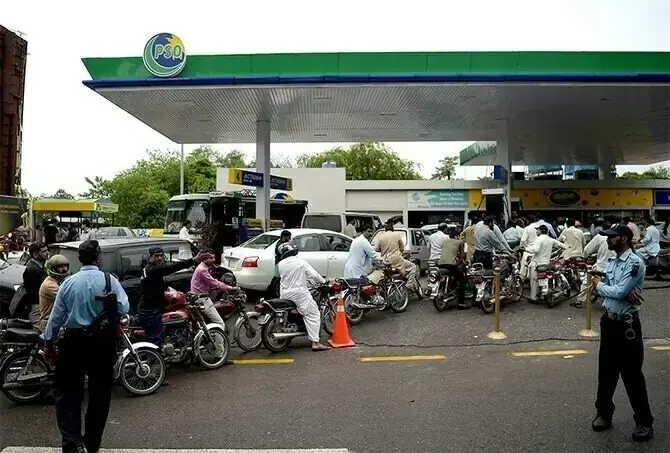
Pakistan’s energy situation in the context of the ongoing war in and around the Straits of Hurmuz highlights both immediate supply pressures and underlying structural dynamics. Disruptions to key energy routes, along with rising global fuel prices, have contributed to higher import costs, increased pressure on foreign exchange reserves, and emerging concerns around energy availability.
Given Pakistan’s heavy reliance on imported fuels, these developments have led to a more than 55 percent increase in domestic fuel prices, contributing to broader inflationary trends and having serious economic impacts on low-income segments of the population. While this massive price increase primarily reflects changes in global oil prices, its major portion has come from a hike in the Petroleum Development Levy (PDL) which allows the federal government to raise its revenue share in petroleum sales without needing a parliamentary approval. In the last 10 weeks or so, this levy has gone up by around 110 rupees per litre of petrol which is considered the fuel of the poor because of its use in motorcycles, rickshaws and minivans. In the coming national budget, it is projected to increase by another 18 percent as per recommendations by the International Monetary Fund (IMF).
But, while the levy is making headlines, the war-induced energy crisis has also exposed structural weaknesses in Pakistan’s energy sector, raising questions about the affordability, sustainability and accessibility of energy resources. Obversely, the crisis has also provided an opportunity to the policymakers to move away from imported and costly fossil fuels which remain prone to supply shocks. The disruption of global energy supply chain due to the war in the Persian Gulf has, indeed, made it urgent for Pakistan to search for an adaptive, smooth and well-planned transition towards an energy framework built on sustainable and affordable indigenous energy resources that can also guarantee the country’s energy security.
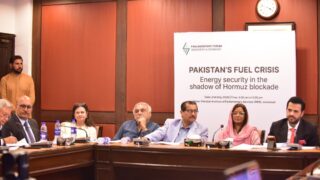
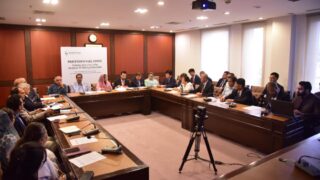
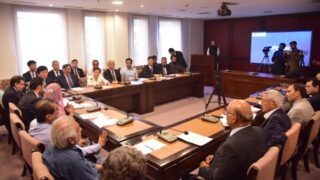
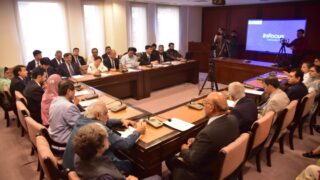
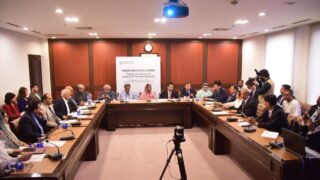
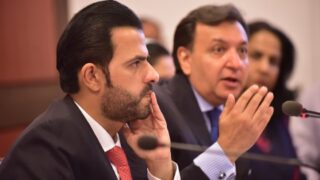
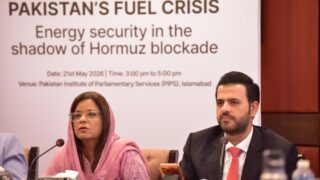
To take up all these issues, the Parliamentary Forum on Energy and Economy organised a briefing on 21st May 2026, from 3:00 pm to 5:00 pm, at Seminar room-II, Pakistan Institute for Parliamentary Services, Islamabad.